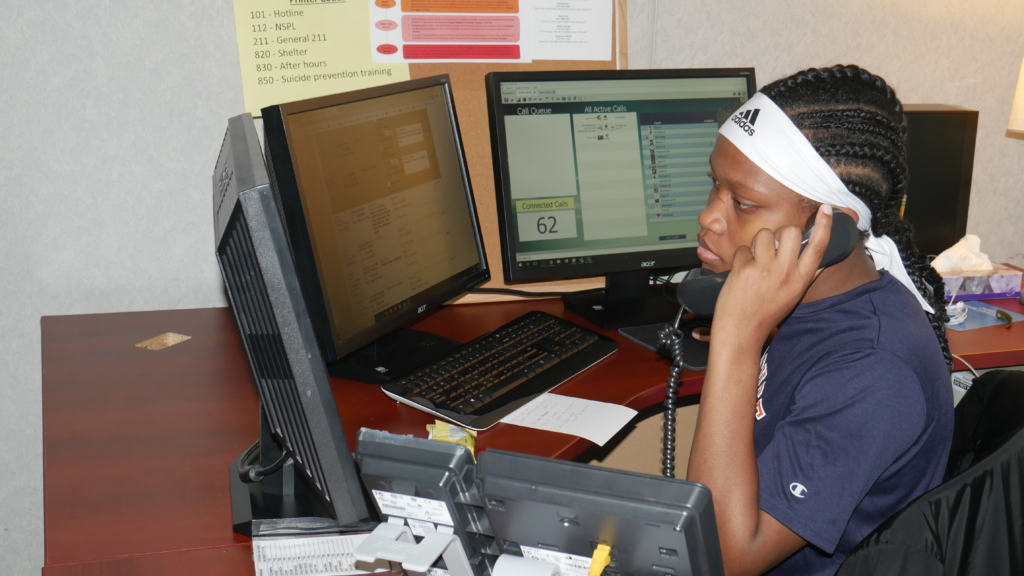
Since 1971, volunteers have been the heart of Contact Community Services. What began as a 24-hour crisis hotline staffed entirely by volunteers has grown into a robust network of support for the Central New York community. Today, dedicated volunteers support our Community Connections programs—offering comfort, connection, and hope to those who need it most.

As a Volunteer Community Connector, you’ll support individuals through:

  •  The Contact Warmline (inbound supportive listening)
  • TeleCare (scheduled outbound reassurance calls)

This role is about:

  • Listening
  • Being present
  • Offering support
  • Helping people feel less alone

You are not expected to be a therapist or have all the answers—just to show up with care and respect.

Volunteer shifts are in-office at our East Syracuse location:

  •  Monday – Thursday: 7:00 a.m. – 11:00 p.m.
  • Friday: 7:00 a.m. – 3:00 p.m.

Time Commitment: Three 4-hour shifts per month for a minimum of 6 months.


Whether you’re looking to give back, build skills, or connect with your community, we welcome you to explore how you can get involved.

All Volunteer Community Connectors receive:

  • Structured onboarding and training (approximately 12 hours)
  • Shadowing and guided call practice
  • Ongoing supervision and real-time support
  • Opportunities for feedback and growth

Training includes:

  • Active listening and communication skills
  • Warmline and TeleCare call handling
  • Escalation and safety protocols
  • Documentation systems

Volunteering with Contact Community Services is more than a way to give back—it’s an opportunity to grow, learn, and make a lasting difference in your community.

  • Strengthen Your Communication and Listening Skills
    Learn the power of reflective listening, emotional validation, and nonjudgmental support—skills that benefit you in both personal and professional relationships.
  • Gain Valuable Experience for School or Work
    Whether you’re pursuing a career in counseling, social work, medicine, education, or public service, your experience at Contact demonstrates commitment, empathy, and resilience—qualities that matter in every helping profession.
  • Make Meaningful Connections
    Every shift is a chance to connect with someone who may be feeling lost, overwhelmed, or alone. Your presence can bring calm, hope, and human connection at just the right moment.
  • Enjoy Flexible Scheduling
    We offer multiple shift times across the week to accommodate school, work, and family obligations. Volunteering can fit seamlessly into your life.
  • Receive Comprehensive Training and Ongoing Development
    You’ll receive structured, hands-on training and regular opportunities to enhance your knowledge and skills through advanced workshops and team learning.
  • Deepen Your Understanding of Mental Health and Community Resources
    You’ll gain insight into the mental health landscape and become familiar with local services that support individuals and families in crisis or need.
  • Be Part of a Mission-Driven, Compassionate Team
    At Contact, you’re never alone. Our volunteers and staff create a supportive, inclusive, and purpose-driven environment where everyone is working together to uplift our community.

Do I need counseling experience?
No! We provide all the training you’ll need to feel prepared and supported.

What are you looking for in a volunteer?
Empathy, reliability, basic computer skills, and a willingness to grow. We welcome volunteers from all backgrounds and walks of life.

How can I help if I’m not an expert?
You don’t need to give advice. Your role is to listen, reflect, and support. That alone can be incredibly powerful. 

Can I volunteer remotely?
No. All calls must be made from our East Syracuse call center to protect confidentiality and ensure proper supervision.

Is just listening really helpful?
Absolutely. Many callers say they feel better simply knowing someone is truly listening—without judgment or interruption.

What if I disagree with a caller’s values?
You don’t need to change your beliefs, but we’ll help you respond nonjudgmentally and with compassion, even in challenging conversations. 

Do volunteers give referrals?
Sometimes. Most callers are looking for someone to talk to. You’ll learn how and when to share resources during training.

Will I ever be working alone?
Never. Staff are always present to assist, coach, and consult.

What happens if someone is in crisis?
You are not expected to manage crisis situations on your own. You’ll have supervisor support and may help connect callers to 988 (call or text) for crisis care.

What if I’m nervous about what to say?That’s very normal. This role isn’t about having the “right” answers—it’s about listening and being present. Training and support will help you build confidence over time.

Is this work emotional?
It can be. You may speak with people who are feeling lonely or going through difficult moments. You’ll have support through supervision, debriefing, and a team that understands the work.

Questions?

For more information regarding Volunteer Opportunities, please email [email protected]

Volunteer Application

Apply Here